Radon Testing When Buying a Home: What Every Buyer Needs to Know

Why Radon Testing Belongs on Every Home Buyer's Checklist
You've lined up the mortgage, scheduled the general home inspection, and started imagining furniture arrangements. But there's one test that quietly separates informed buyers from those who find out too late: radon testing.
Radon is a naturally occurring radioactive gas that forms when uranium in soil and rock breaks down. It seeps through foundation cracks, construction joints, gaps around service pipes, and even through solid concrete. Once inside, it can accumulate to dangerous levels-and you can't smell it, see it, or taste it. The CDC identifies radon exposure as the second leading cause of lung cancer in the United States, responsible for roughly 21,000 deaths each year.
The good news? A radon test is inexpensive, straightforward, and gives you meaningful leverage before you close on a home.
Understanding EPA Action Levels: What the Numbers Mean
The U.S. Environmental Protection Agency uses picocuries per liter (pCi/L) to measure radon concentration in indoor air. Two thresholds guide decision-making for homeowners and buyers:
- 4 pCi/L and above (Action Level): The EPA recommends mitigation at or above this level. The health risk at 4 pCi/L is comparable to smoking about half a pack of cigarettes per day-significant enough to act on.
- 2–4 pCi/L (Consider Action Range): The EPA considers levels between 2 and 4 pCi/L elevated and suggests strongly considering mitigation. The agency notes that no level of radon exposure is completely without risk.
- The average U.S. indoor level is approximately 1.3 pCi/L, which provides useful context when interpreting your results.
When you get a test result back, don't just focus on whether it clears the 4 pCi/L threshold. A reading of 3.5 pCi/L, while technically below the action level, still represents meaningful risk and warrants a real conversation about mitigation before you close.
When Should Radon Testing Happen During a Home Purchase?
Timing matters. The ideal window is during the general inspection period, when your purchase contract likely gives you the right to conduct due diligence and negotiate repairs. Most real estate contracts have an inspection contingency-this is your opportunity to include radon testing alongside structural, electrical, and plumbing checks.
Here's the practical sequence most buyers follow:
- Include radon testing in your inspection contingency. Make sure your purchase agreement explicitly allows for radon testing, or that it's covered under a broader inspection clause.
- Schedule the test early. Standard short-term radon tests take 48–96 hours. You want results before your contingency window closes.
- Use a certified professional. While DIY test kits from hardware stores exist, having a certified radon measurement professional conduct the test gives you a defensible, documented result if you need to negotiate with the seller.
 Radon test results can affect a home sale — buyers and sellers both benefit from knowing the levels before closing.
Short-Term vs. Long-Term Tests: Which One Is Right for a Home Purchase?
There are two main categories of radon tests, and they serve different purposes:
Short-term tests (2–7 days) are the standard for real estate transactions. These typically use activated charcoal canisters or electret ion chamber devices placed in the lowest livable level of the home. They're quick enough to fit inside a typical inspection window. The EPA recommends that short-term tests for real estate be conducted under closed-house conditions-windows and doors closed for at least 12 hours before and during the test-to get a reliable baseline reading.
Long-term tests (90+ days) give a more accurate picture of average annual radon exposure because they account for seasonal variation in radon levels. They use alpha track detectors and are better suited for post-purchase monitoring or confirming that a mitigation system is working correctly after you move in.
For the purchase itself, a properly conducted short-term test with a certified professional is the right tool.
Why Hire a Certified Radon Professional?
This is one of those situations where "good enough" really isn't. Radon test results directly affect your negotiating position and, ultimately, your family's health. Using a certified professional ensures the test is conducted correctly, under proper conditions, and produces a report that holds up if disputed.
Look for professionals certified through two primary organizations:
- NRPP (National Radon Proficiency Program): Administered by the National Radon Safety Board, NRPP certification is recognized across most U.S. states. You can search for certified measurement professionals and mitigation contractors on the NRPP website at nrpp.info.
- NRSB (National Radon Safety Board): Another leading certification body with its own directory of qualified professionals.
Many states also have their own radon programs with additional certification requirements. A certified professional knows the EPA's testing protocols, will place devices correctly, handle chain-of-custody documentation, and provide a written report you can share with the seller or your attorney.
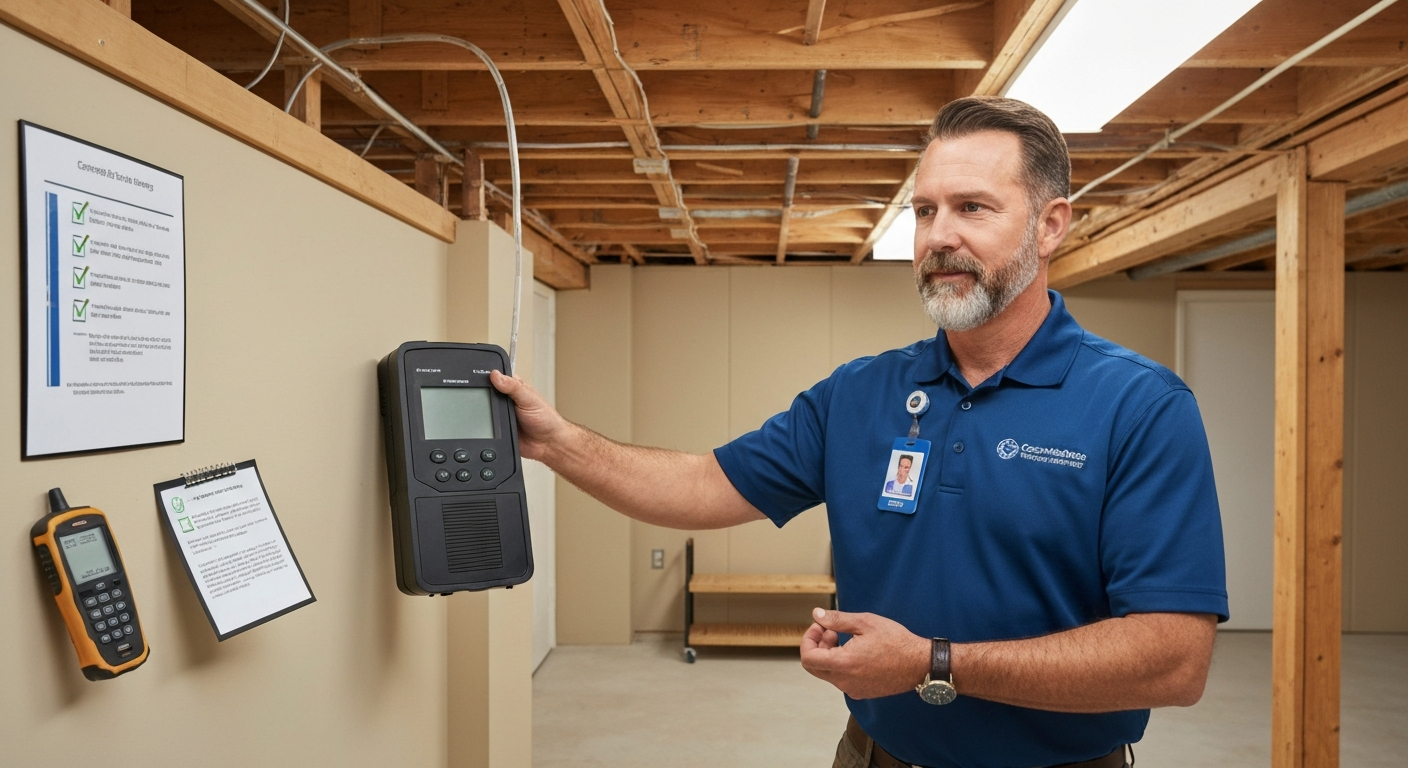 NRPP- or NRSB-certified radon professionals follow strict protocols to ensure accurate, unbiased test results.
What to Do If the Test Comes Back High
A radon level at or above 4 pCi/L-or even in the 2–4 pCi/L range-isn't a reason to walk away from an otherwise solid home. It's a negotiating point, and a solvable problem.
Negotiate Mitigation Before Closing
You have several options:
Ask the seller to install a mitigation system before closing. A sub-slab depressurization (SSD) system-the most common and effective type-typically costs between $800 and $2,500 depending on the home's foundation and local labor rates. These systems use a pipe and fan to draw radon from beneath the foundation and vent it outside. They're highly effective, routinely bringing levels that were 10, 15, or even 20+ pCi/L down below 2 pCi/L.
Negotiate a price reduction or credit. If the seller prefers not to handle the work themselves, a closing credit that covers mitigation costs keeps the deal moving while ensuring you have funds to address it immediately after moving in.
Commission a follow-up test post-mitigation. If the seller installs a system before closing, insist on a post-mitigation test conducted by your own certified professional. Don't accept results commissioned and interpreted solely by the seller's contractor.
What If You're Already Under Contract with No Radon Contingency?
Check your contract carefully. In many states, radon testing rights are implied or explicitly included in inspection clauses even if radon isn't mentioned by name. Your real estate attorney or agent can advise you on whether you still have room to test and negotiate.
If you're in a competitive market where buyers are waiving contingencies, consider the risk carefully. A radon mitigation system is a known, fixable cost. Factor that into your offer calculation rather than discovering it post-close.
Radon and Specific Home Features to Watch For
Certain characteristics can make elevated radon more likely-though no home is guaranteed safe or guaranteed problematic based on these factors alone. Radon levels vary dramatically even between neighboring houses.
Higher risk indicators:
- Homes with basements, especially unfinished ones with exposed soil or concrete
- Slab-on-grade construction (radon can still enter through cracks in the slab)
- Homes in radon zone 1 areas (the EPA's highest-risk designation, common in the Midwest, Mountain West, and parts of the Northeast-check the EPA's radon zone map)
- Older homes with more foundation cracks and gaps
- Homes with well water (radon can also be released from water, though this is less common)
Lower risk indicators:
- Homes with radon-resistant construction features (passive vent pipes, sealed vapor barriers)
- Homes where a mitigation system was previously installed and recent post-mitigation tests show low levels
Even so: always test. Geology is unpredictable enough that low-risk-zone homes can have high radon, and vice versa. The National Association of Realtors recommends radon testing for all real estate transactions regardless of location.
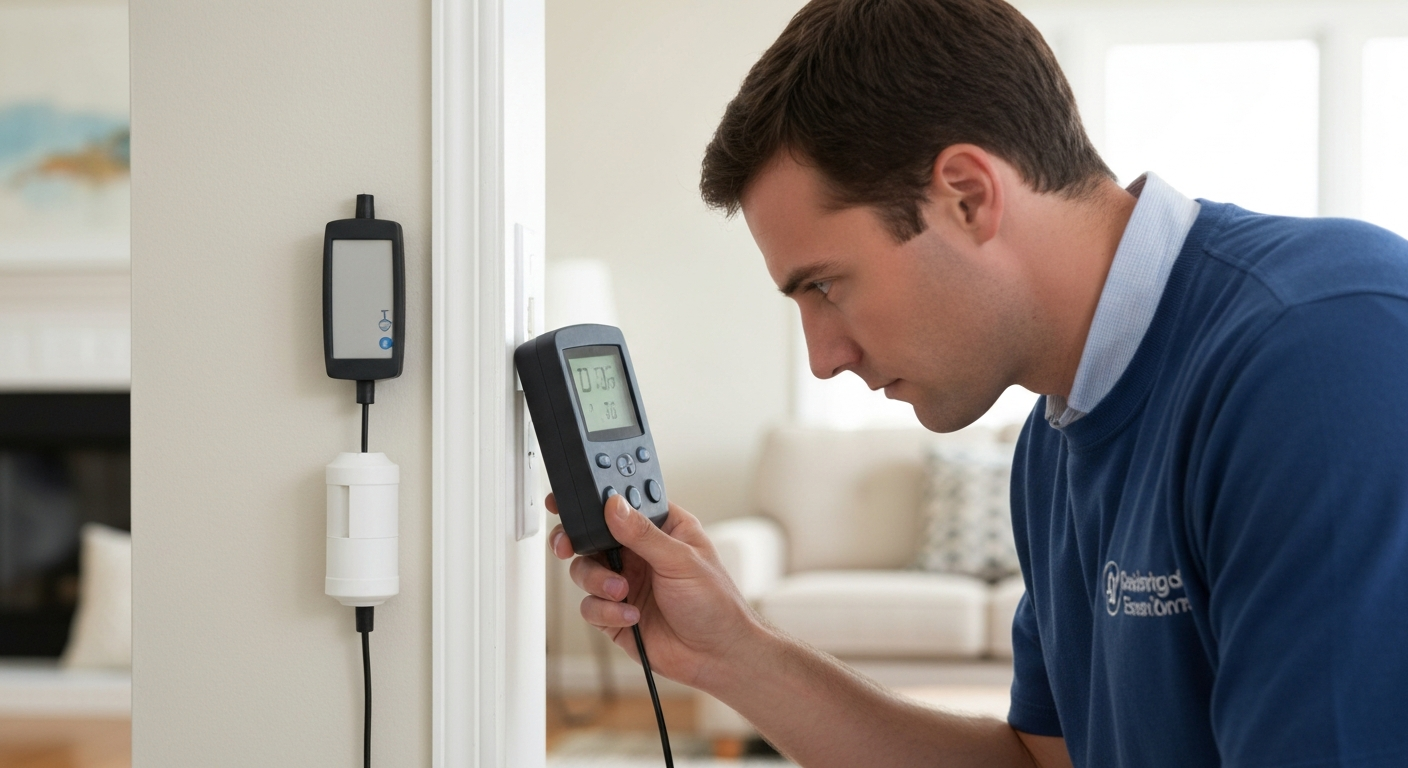 Radon and Specific Home Features to Watch For — an important consideration when addressing radon gas in your home.
After You Move In: Staying on Top of Radon Long-Term
Buying a home with a clean radon test-or successfully negotiating mitigation before closing-doesn't mean you're done thinking about radon forever.
- Retest every two years, or after any significant renovation that affects the foundation or lower level of the home.
- If a mitigation system was installed, confirm the fan is running. These systems have simple visual indicators. A fan failure can cause radon to rise back to previous levels silently.
- Test after major remodeling. Finishing a basement, adding a room over a crawl space, or altering foundation drainage can all affect radon pathways.
The EPA recommends long-term testing for ongoing monitoring, since seasonal variations-radon tends to be higher in winter when homes are sealed up-can affect your average annual exposure in ways a single short-term test doesn't capture.
The Bottom Line for Home Buyers
Radon testing is one of the highest-value steps you can take during a home purchase. The test itself is affordable. The risk of skipping it is not. An undetected radon problem is the kind of thing you might not discover until years after move-in-by which point you've lost negotiating leverage, spent years exposed, and now face paying for mitigation entirely out of pocket.
Test during the inspection period. Use a certified NRPP or NRSB professional. Understand the EPA's 4 pCi/L action level and 2–4 pCi/L consider-action range. And if levels are elevated, negotiate-don't panic.
Ready to find a certified radon testing professional near you? FindRadonTesting.com connects home buyers with vetted, certified radon measurement specialists across the country. Search by zip code, read verified reviews, and get testing scheduled before your inspection contingency expires. Your future home-and your family's lungs-are worth it.