Radon Test Came Back High? Your Step-by-Step Action Plan

What Does a High Radon Reading Actually Mean?
The EPA considers any radon level at or above 4 pCi/L an action level — meaning you should take steps to reduce it. Between 2 and 4 pCi/L, mitigation is recommended. Below 2 pCi/L is considered low, though no level is completely risk-free.
If your test came back high, don't panic. A reading above the action level doesn't mean your house is unusable. It means it's time to act — and the fix is usually straightforward.
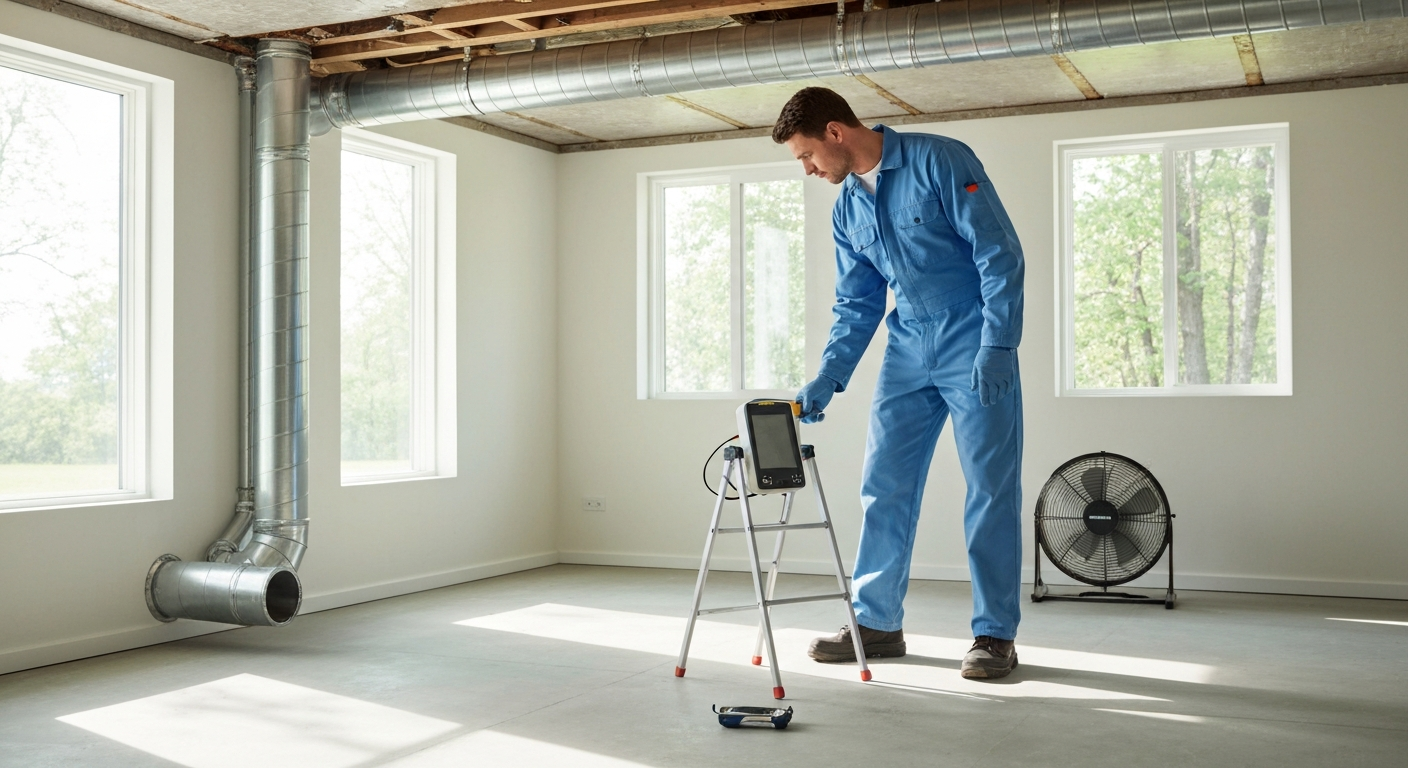
 A certified radon inspector reviewing real-time readings during a basement inspection.
Step 1: Confirm the Reading with a Follow-Up Test
A single short-term test (under 90 days) can be affected by weather, open windows, or seasonal variation. Before spending money on mitigation, run a second test to confirm.
What to do:
- Do a second short-term test (48–96 hours) using a charcoal canister kit
- Or run a long-term test (90+ days) with an alpha track detector for a more accurate annual average
- Keep windows and doors closed during the test period (closed-house conditions)
- Test the same level where the first reading was taken — usually the lowest livable floor
If both tests come back above 4 pCi/L, mitigation is clearly warranted.
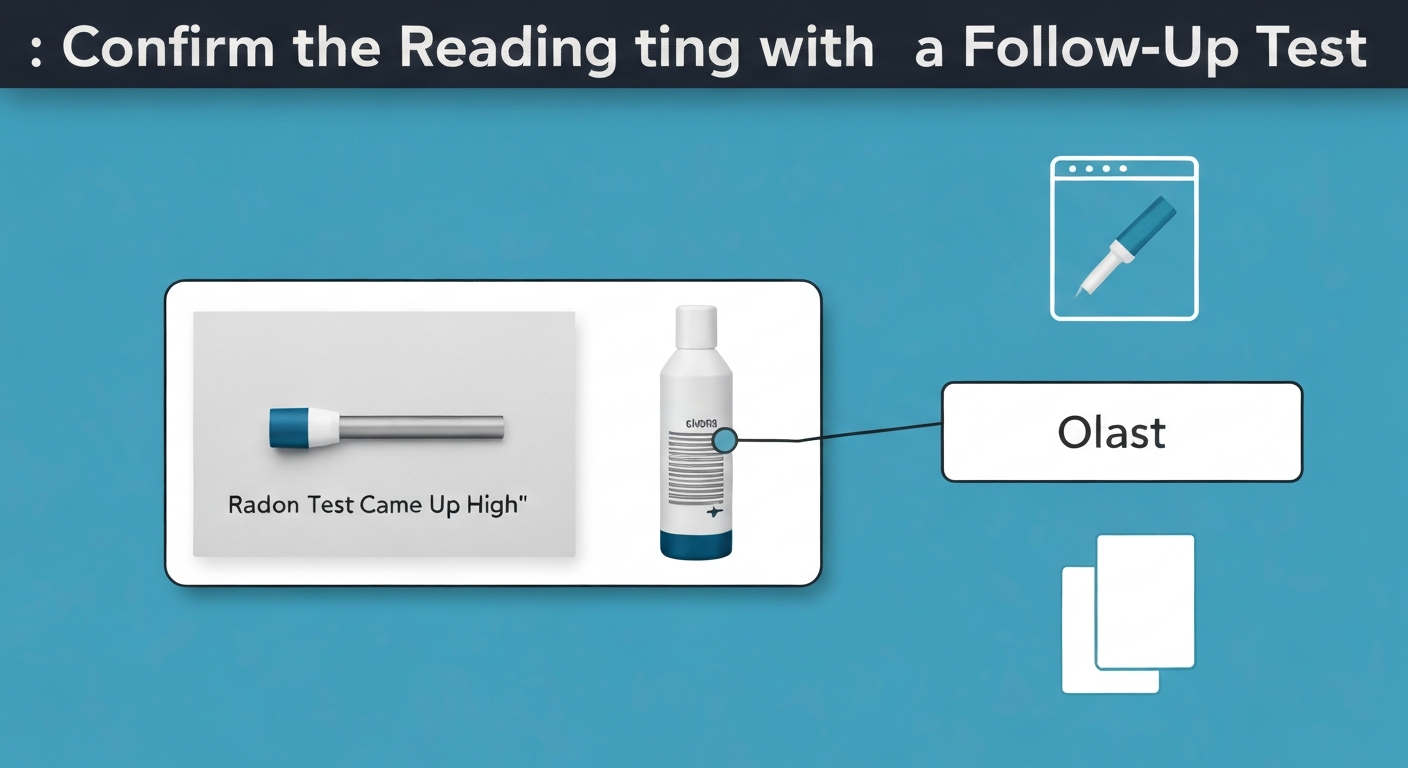 Step 1: Confirm the Reading with a Follow-Up Test — an important consideration when addressing radon gas in your home.
Step 2: Don't DIY the Fix
Radon mitigation isn't a caulk-and-seal job. The standard solution — sub-slab depressurization (SSD) — involves drilling through the foundation, installing a pipe, and running it to a fan that exhausts radon outside. Done wrong, it can make levels worse or create new problems.
Hire a certified radon mitigation contractor. Look for:
- State certification (required in most states)
- NRPP or NRSB credentials
- Experience with your foundation type (slab, basement, crawl space)
- A written warranty and post-mitigation test included
Step 3: Understand Your Mitigation Options
The right system depends on your home's foundation type:
Basement or slab: Sub-slab depressurization is the most common fix. A contractor drills one or more suction points in the floor, routes a PVC pipe up through the house or along the exterior, and connects it to a continuously running fan. This pulls radon out from under the slab before it can enter.
Crawl space: A combination of crawl space encapsulation plus a fan system typically handles this. Some homes need both sub-membrane depressurization and sub-slab work if they have a partial basement.
Other approaches:
- Sealing cracks and openings (useful as a supplement, not a standalone fix)
- Natural ventilation (rarely sufficient in cold climates)
- HVAC integration (for specific situations)
Most systems are installed in a day. Typical cost: $800–$2,500 depending on foundation complexity, number of suction points, and your region.
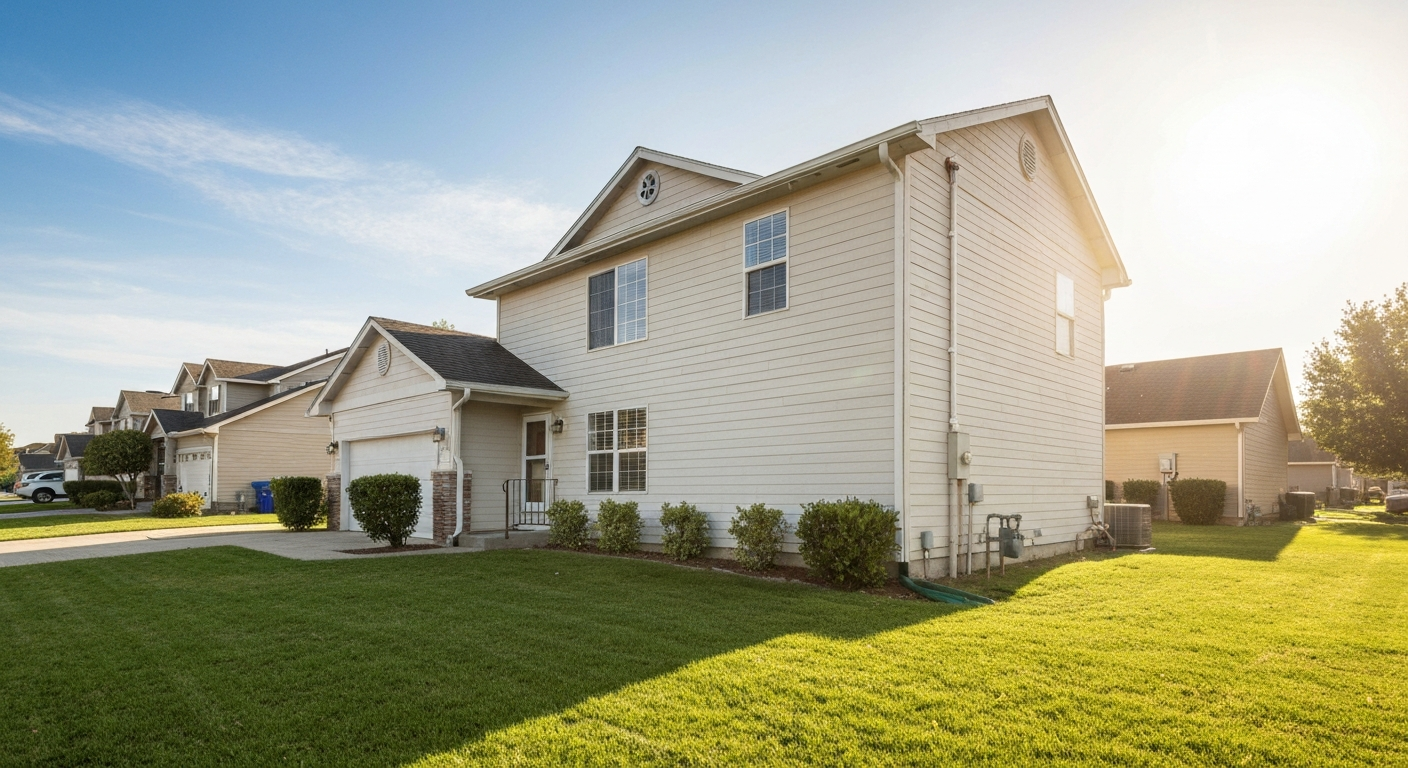 A sub-slab depressurization system routes radon gas from beneath the foundation to the outside — the most effective mitigation method for most homes.
Step 4: Retest After Mitigation
This is non-negotiable. Every reputable contractor will include a post-mitigation test in their proposal. If they don't offer one, ask for it in writing.
Test again 24–48 hours after installation and again 30–90 days later to confirm the system is working as intended. The goal is to get below 2 pCi/L.
If levels are still elevated after mitigation, the contractor should diagnose and adjust the system — typically at no additional charge if covered under warranty.
Step 5: Maintain and Monitor Long-Term
Radon systems are low-maintenance, but not zero-maintenance:
- Check the manometer (the U-shaped gauge on the pipe) monthly — both sides should show unequal fluid levels indicating suction is working
- Replace the fan every 5–10 years (fans typically last 10–20 years)
- Retest every 2 years or after major renovations
- Disclose to buyers — a working system is actually a selling point, not a liability
 Step 5: Maintain and Monitor Long-Term — an important consideration when addressing radon gas in your home.
Finding a Certified Radon Contractor
Many backflow testing companies also offer radon testing and mitigation services, especially in areas where both services fall under general home inspection licensing. When searching for a certified professional, ask whether they hold both radon and backflow certifications — it's often the same network of contractors.
You can also search the NRPP contractor directory or your state health department for certified mitigators in your area.
Getting a high radon result is fixable. The two-step process — confirm, then mitigate — protects your family and preserves your home's value. Don't wait.