Radon Mitigation Cost Guide 2026: What Homeowners Pay

Radon Mitigation Cost Guide: What Homeowners Should Expect to Pay in 2026
Discovering elevated radon levels in your home can feel overwhelming, especially when you start researching the cost of fixing the problem. The good news? Radon mitigation is one of the most cost-effective home improvements you can make for your family's long-term health. The not-so-good news? Pricing varies widely depending on your home's construction, foundation type, and regional labor rates.
This comprehensive guide breaks down exactly what you should expect to pay for radon mitigation, what factors influence the price, and how to avoid overpaying for a system that may not even be properly designed for your home.
What Is Radon Mitigation, and Why Does Cost Matter?
Radon is a naturally occurring radioactive gas that seeps from soil into homes through cracks in foundations, sump pits, crawl spaces, and other entry points. The Environmental Protection Agency (EPA) recommends taking action when indoor radon levels reach 4 pCi/L (picocuries per liter) or higher, and considering mitigation for levels between 2 and 4 pCi/L, since no level of radon exposure is truly safe.
Mitigation systems are designed to reduce radon concentrations to safer levels — typically below 2 pCi/L when professionally installed. Because radon is the second leading cause of lung cancer in the United States, the cost of mitigation should be weighed against the long-term health risk of inaction.

Average Radon Mitigation Costs in 2026
For most single-family homes in the U.S., a professionally installed radon mitigation system costs between $1,200 and $3,500, with the national average landing around $2,000 to $2,500. However, costs can climb significantly for larger homes, complex foundations, or homes in remote areas.
Here's a breakdown of typical pricing tiers:
| System Complexity | Typical Cost Range | Common Scenarios |
|---|---|---|
| Basic | $1,200 – $1,800 | Simple basement, single suction point, accessible exterior |
| Standard | $1,800 – $2,800 | Slab-on-grade or finished basement, moderate routing |
| Complex | $2,800 – $5,000+ | Crawl space encapsulation, multiple foundation types, large homes |
| Multi-family or Commercial | $5,000 – $15,000+ | Apartment buildings, schools, commercial structures |
These prices typically include installation, materials, labor, a post-mitigation radon test, and a system warranty. Be cautious of quotes significantly below these ranges — extremely low pricing often signals shortcuts in design or materials.
Factors That Influence Radon Mitigation Costs
1. Foundation Type
Your home's foundation is the single biggest factor in mitigation cost.
- Basement (poured concrete): Easiest and cheapest to mitigate. Active soil depressurization (ASD) systems work efficiently here. Expect $1,200 – $2,200.
- Slab-on-grade: Slightly more complex due to limited access points. Expect $1,500 – $2,800.
- Crawl space: Often requires sub-membrane depressurization, which includes laying and sealing a heavy-duty vapor barrier. Expect $2,000 – $4,500.
- Mixed foundations: Homes with combinations (basement + crawl space, addition with slab) frequently need multiple suction points, pushing costs to $3,000 – $5,000+.
2. System Routing and Aesthetics
Where the radon system's vent pipe runs matters — both for performance and curb appeal.
- Exterior routing: Cheaper because the pipe runs up the outside of the home. Less invasive but visible.
- Interior routing: More expensive (often $300–$800 extra) because the pipe is concealed through closets, garages, or attics, but offers a cleaner look and protects piping from freezing in cold climates.
3. Home Size and Layout
Larger homes (over 2,500 sq ft) often need additional suction points or higher-capacity fans. Each extra suction point typically adds $300 – $700 to the project.
4. Geographic Location
Labor costs and regional radon prevalence affect pricing. Homeowners in the Northeast, Upper Midwest, and Mountain West — where radon levels tend to be highest — often have access to more competitive pricing due to a deeper bench of certified contractors. In states where radon professionals are scarce, prices can run 20–30% higher.
5. Fan Type and Quality
The radon fan is the heart of your system. Better fans last longer, run quieter, and move air more efficiently.
- Standard fans: $150 – $300 (typically last 8–12 years)
- High-suction or low-watt fans: $300 – $600 (better for tight soils or energy-conscious homeowners)
- Premium quiet fans: $400 – $700 (ideal for systems near bedrooms)

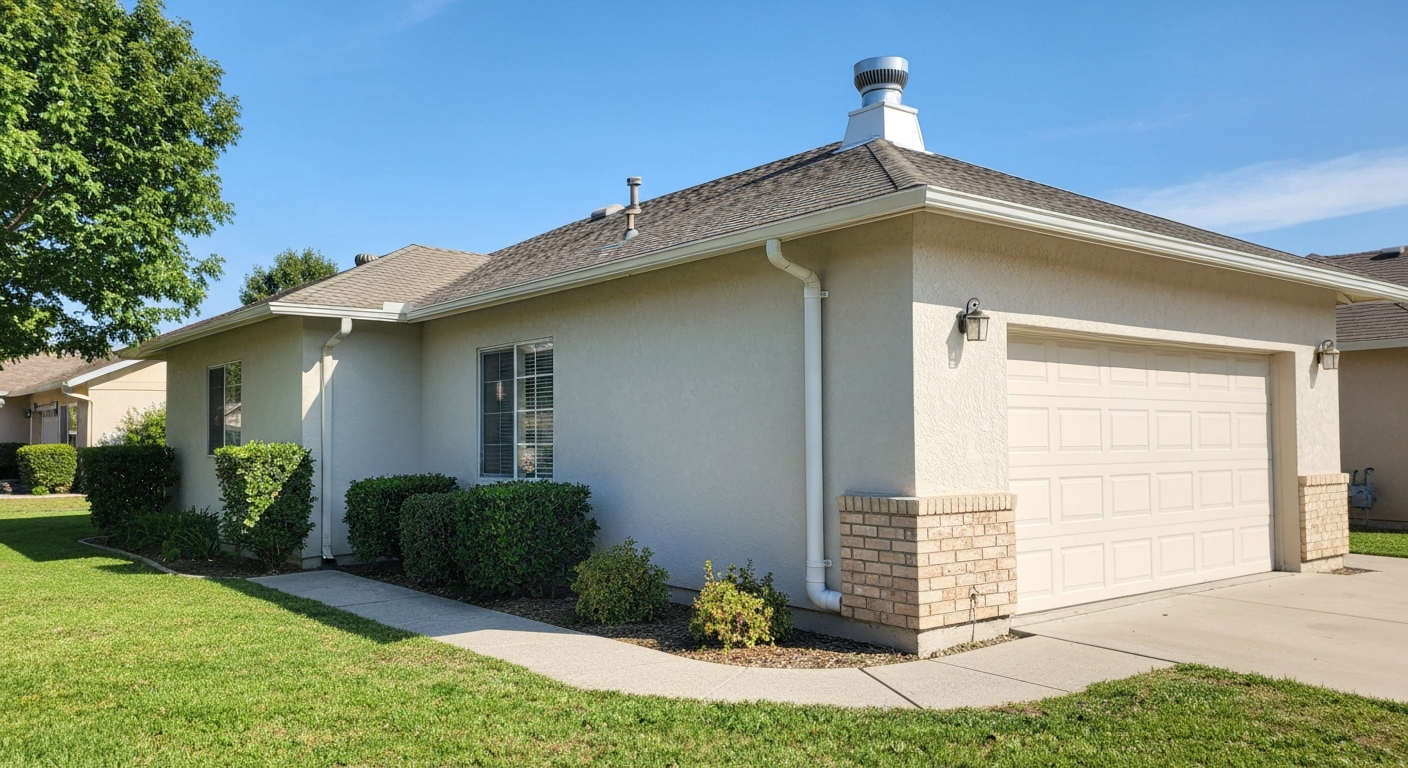 A sub-slab depressurization system routes radon gas from beneath the foundation to the outside — the most effective mitigation method for most homes.
What's Included in a Professional Mitigation Quote
A legitimate quote from an NRPP (National Radon Proficiency Program) or NRSB (National Radon Safety Board) certified contractor should include:
- Site evaluation and diagnostic testing (visual inspection, pressure field extension testing if needed)
- System design tailored to your foundation
- All materials: PVC piping, fan, electrical components, sealants, junction boxes
- Electrical work for the fan (often requires a dedicated circuit)
- Sealing of major foundation entry points (sump pits, cracks, slab penetrations)
- System labeling per EPA guidelines
- U-tube manometer to monitor system performance
- Post-mitigation radon test (typically 24–48 hours after installation)
- Warranty on workmanship (usually 2–5 years) and fan (manufacturer warranty)
If any of these items are missing from your quote, ask why. Cut corners in any of these areas can result in a system that doesn't actually reduce radon to safe levels.
Common Add-On Costs to Watch For
Even with a thorough initial quote, some homeowners encounter additional costs:
- Sump pit sealing or replacement cover: $150 – $400
- Crawl space vapor barrier (full encapsulation): $1,500 – $4,000
- Additional suction points: $300 – $700 each
- Electrical permits or panel upgrades: $100 – $500
- HVAC modifications or pressure balancing: $200 – $800
- Concrete coring through thick slabs: $150 – $400
- Post-mitigation re-testing after 30 days: $100 – $200 (sometimes included)
Reputable contractors disclose potential add-ons upfront rather than springing them on you mid-project.
Why You Should Hire NRPP or NRSB Certified Professionals
Radon mitigation isn't a job for general handymen or unlicensed contractors. The EPA strongly recommends hiring professionals certified by either:
- NRPP — National Radon Proficiency Program (administered by AARST)
- NRSB — National Radon Safety Board
These certifications require ongoing training, adherence to ANSI/AARST standards, and proficiency in proper system design and installation. Many states also require certification or licensure to perform mitigation work commercially.
Why this matters for cost: A certified mitigator may charge slightly more upfront, but their systems are far more likely to achieve safe radon levels on the first attempt. Uncertified installations frequently require costly re-work — and in many cases, the entire system must be replaced because suction points were poorly placed or undersized.
DIY Radon Mitigation: Is It Worth It?
Some homeowners consider DIY kits to save money. While DIY systems can technically be installed for $300 – $700 in materials, we don't recommend this approach for most homes.
Risks of DIY mitigation include:
- Improper suction point placement leading to ineffective systems
- Backdrafting of combustion appliances (furnaces, water heaters)
- Code violations and failed home inspections during resale
- Voided manufacturer warranties on fans
- No post-mitigation testing or warranty
A failed DIY system often costs more in the long run when a certified professional has to redesign and replace it. For homes with radon levels above 8 pCi/L or complex foundations, DIY is especially risky.
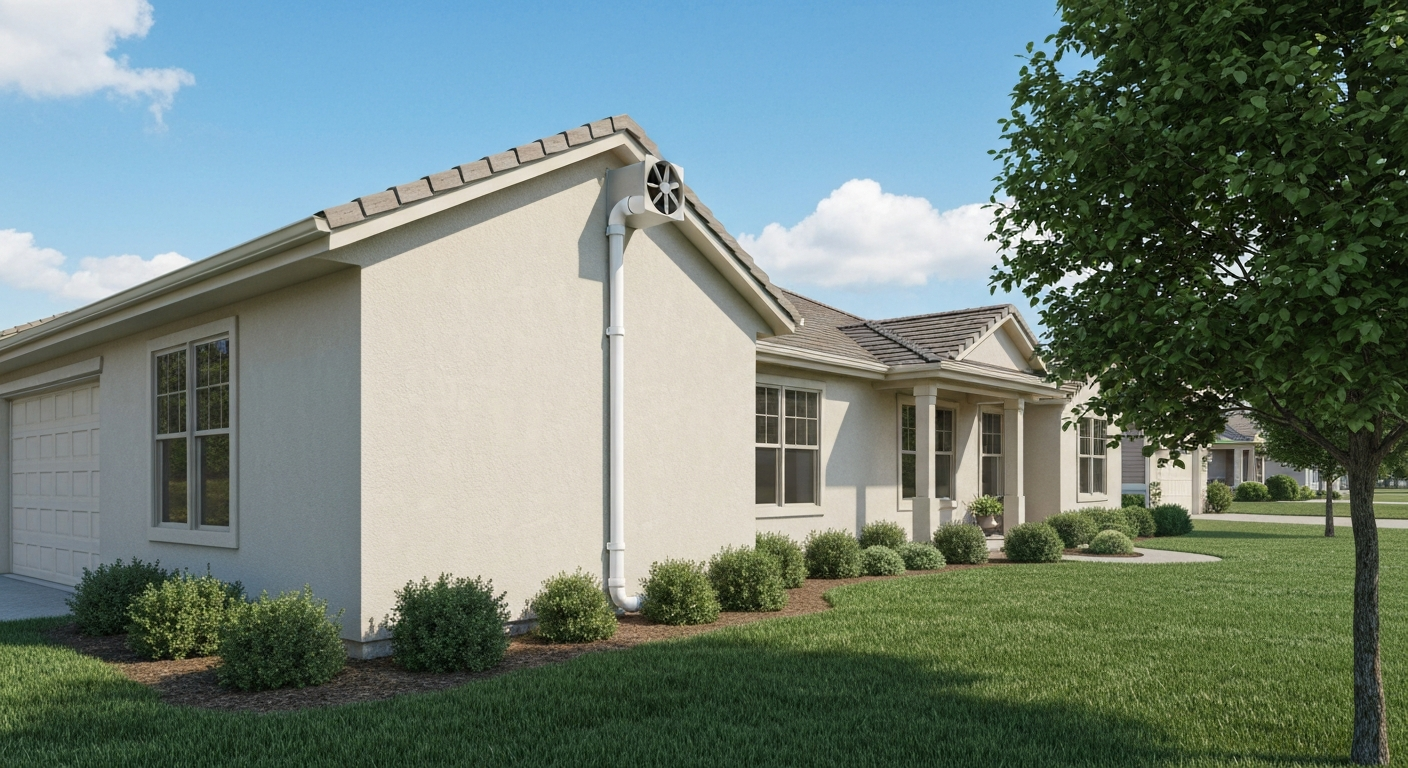 A sub-slab depressurization system routes radon gas from beneath the foundation to the outside — the most effective mitigation method for most homes.
Long-Term Operating Costs
The upfront installation isn't the only cost to consider. After installation, expect:
- Electricity: $5 – $20 per month, depending on fan wattage and electric rates. Most modern systems use 60–90 watts.
- Fan replacement: Every 8–12 years, typically $300 – $600 installed.
- Annual radon retesting: $15 – $30 with a DIY kit, or $100 – $200 with a professional. The EPA recommends retesting every two years and after major home renovations.
- System maintenance: Generally minimal — just keep an eye on the U-tube manometer to confirm the fan is running properly.
Over a 20-year period, total ownership cost for a typical home is roughly $3,500 – $5,500, which works out to less than $25 per month for clean air and lower lung cancer risk.
How to Get an Accurate Mitigation Quote
To compare quotes fairly, request at least three estimates from certified mitigators. A solid quote process looks like this:
- Share your radon test results (long-term or short-term, with date and location of testing).
- Allow an on-site inspection — beware of contractors who quote sight unseen.
- Ask about system design specifics: suction points, fan model, routing, sealing plan.
- Confirm certifications — ask for the contractor's NRPP or NRSB ID and verify it online.
- Request references from recent local installs, ideally with similar foundation types.
- Confirm post-mitigation testing is included.
- Get the warranty in writing — both for workmanship and the fan itself.
Red Flags in Mitigation Quotes
- Quotes far below $1,000 (often signal uncertified work or missing components)
- Pressure to sign on the spot or "today-only" pricing
- No mention of post-mitigation testing
- Vague or missing warranty terms
- No willingness to share certification credentials
- Refusal to provide a written scope of work
Financing and Tax Considerations
Radon mitigation rarely qualifies for federal tax credits, but some states and local programs offer assistance:
- State health department programs: Some states (e.g., Pennsylvania, Iowa, Minnesota) offer subsidized testing or rebates for mitigation in high-risk areas.
- Low-income housing assistance: HUD-related programs sometimes cover radon mitigation for qualifying households.
- Real estate transactions: If a home inspection reveals elevated radon, mitigation can often be negotiated into the closing costs, with the seller paying for installation before transfer.
- Home equity or 0% financing: Many mitigation contractors offer payment plans of $50–$100/month with no interest for 12–24 months.
Check with your state radon program (usually through the Department of Health or Environment) to see what's available in your area.
 Financing and Tax Considerations — an important consideration when addressing radon gas in your home.
When Radon Levels Are Between 2 and 4 pCi/L
The EPA's official action level is 4 pCi/L, but the agency also recommends considering mitigation when levels fall between 2 and 4 pCi/L, because there is no known safe threshold for radon exposure. If you're in this range, you have options:
- Install a full active mitigation system: Same costs as above, typically $1,200 – $2,800.
- Install a passive system: A non-fan vent stack designed to be upgraded later. Often $800 – $1,500 if built into new construction; less practical as a retrofit.
- Increase ventilation: Cheaper short-term fix (HRV/ERV systems run $1,500 – $3,000) but less reliable than ASD.
For most homeowners in the 2–4 pCi/L range, a properly designed active system is the most reliable long-term solution and adds modest resale value.
Does Mitigation Add Resale Value?
A professionally installed and documented mitigation system is generally viewed as a positive by home buyers, especially in high-radon regions. While it may not directly increase appraised value, it:
- Removes a potential negotiation obstacle during resale
- Demonstrates the home has been maintained responsibly
- Provides peace of mind documented through post-mitigation test results
- Often comes with transferable warranties that benefit new owners
In radon-prone markets, buyers increasingly expect mitigation systems to be in place for homes with previously elevated readings.
Find a Certified Radon Mitigator Near You
Radon mitigation is one of the most impactful health investments you can make in your home — but only if it's done right. The difference between a properly designed system and a careless installation is the difference between safe indoor air and ongoing exposure to a known carcinogen.
If your test results show levels at or above 2 pCi/L, the next step is connecting with a qualified professional in your area. Visit FindRadonTesters.com to find NRPP and NRSB certified radon testers and mitigators near you. Our directory makes it easy to compare local pros, read reviews, and request quotes — so you can breathe easier knowing your home is protected.
Don't wait on radon. The sooner you mitigate, the sooner you and your family are safe from one of the leading preventable causes of lung cancer. Find your local certified radon professional today and take the first step toward a healthier home.