How Often Should You Test Your Home for Radon? A Complete Guide

How Often Should You Test Your Home for Radon?
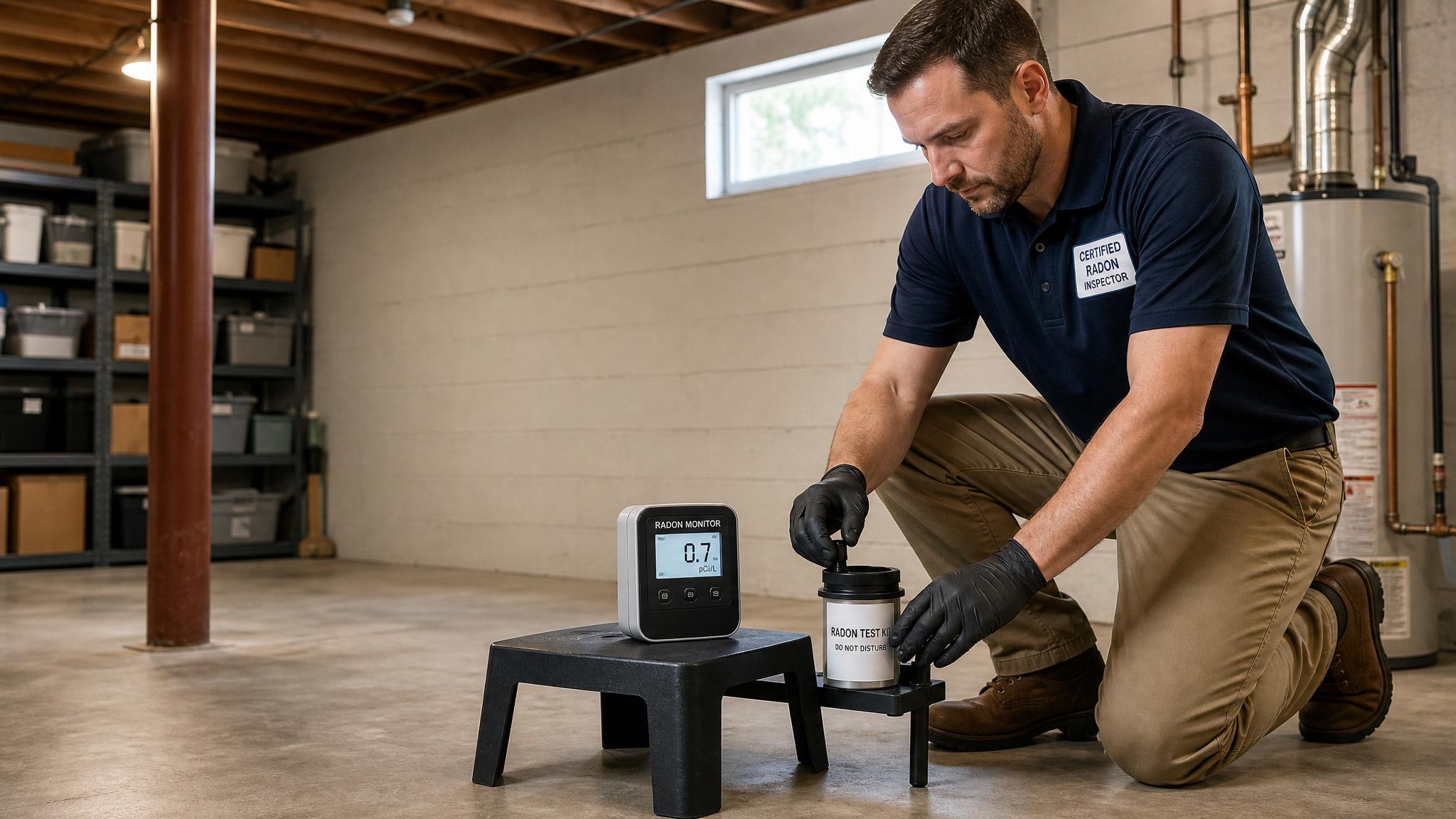
Radon is a silent, invisible threat lurking in homes across America. As the second-leading cause of lung cancer in the United States — claiming an estimated 21,000 lives every year according to the EPA — this naturally occurring radioactive gas demands serious attention from every homeowner. But here's a question that often gets overlooked: how often should you actually test your home for radon?
The answer isn't as simple as "once and you're done." Radon levels can fluctuate dramatically over time due to seasonal changes, structural shifts, renovations, and even the natural settling of your home. Understanding when and how often to test is one of the most important steps you can take to protect your family's long-term health.
In this comprehensive guide, we'll break down the recommended testing schedule for every situation, explain why radon levels change, and give you the actionable knowledge you need to keep your home safe.
Understanding the EPA's Baseline Recommendations
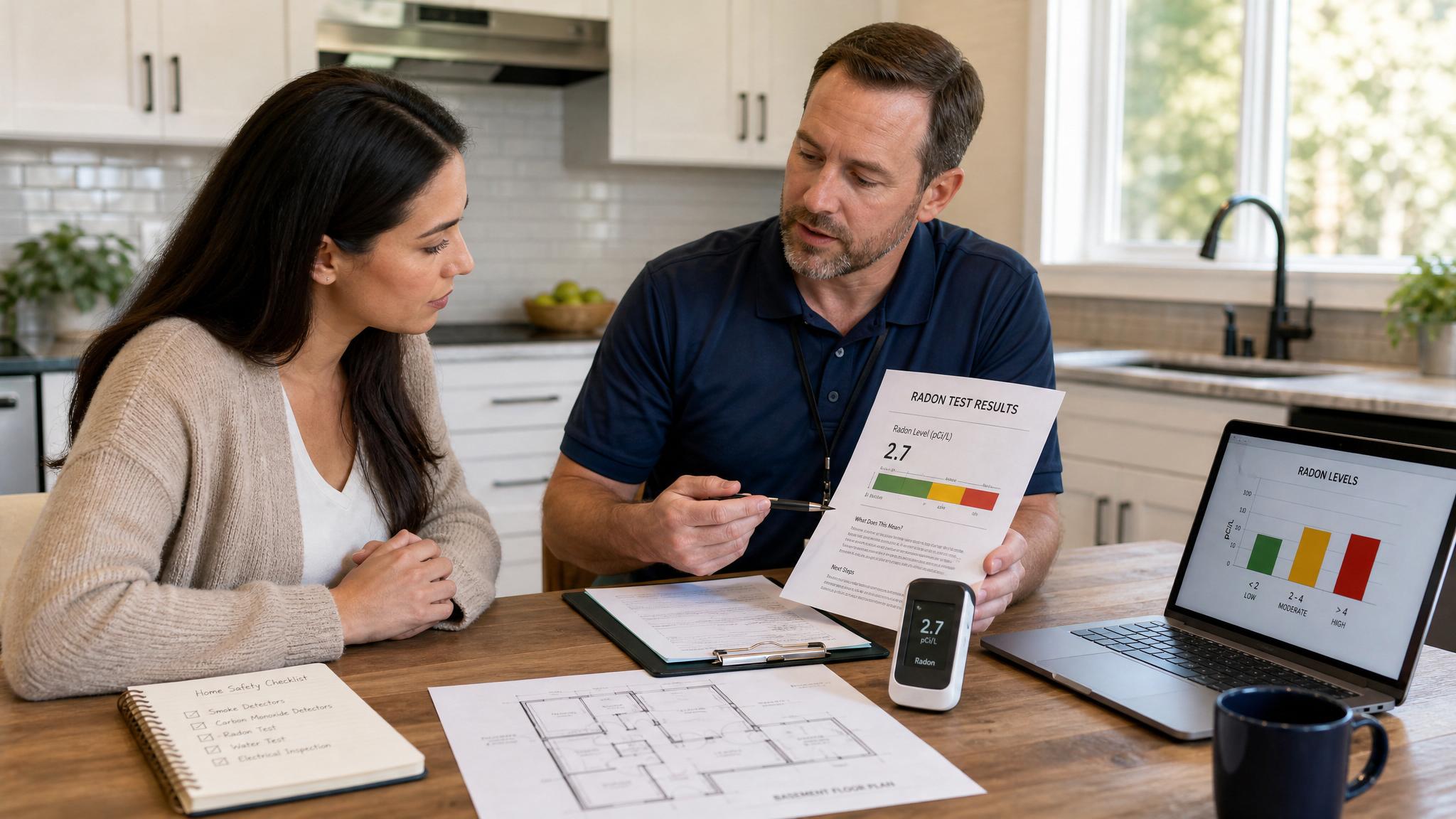
The U.S. Environmental Protection Agency (EPA) has established clear guidelines that serve as the foundation for radon testing decisions in American homes. According to the EPA:
- 4 pCi/L (picocuries per liter) is the official action level — at or above this concentration, mitigation is strongly recommended
- 2 to 4 pCi/L is the "consider action" zone — homeowners should think about mitigation because no level of radon exposure is truly safe
- Below 2 pCi/L is considered relatively low risk, but retesting is still important
The EPA recommends that every home in the United States be tested for radon, regardless of location, age, or construction type. While certain geographic regions have higher concentrations of radon-producing geology, elevated levels have been found in all 50 states and across every type of home — from new construction to century-old farmhouses, from slab foundations to basements.
The General Testing Schedule
For most homes, the EPA and major radon authorities recommend:
- Initial test when you move into a home or have never tested before
- Retest every 2 years even if your initial result was low
- Retest immediately after any major life or structural event affecting your home
- Continuous monitoring for homes with previously elevated levels or active mitigation systems
Let's explore why this schedule matters and when you may need to test more frequently.
Why Radon Levels Change Over Time

One of the most common misconceptions about radon is that a single low reading means your home is permanently safe. In reality, radon concentrations can vary significantly from year to year, season to season, and even day to day. Here's why:
Seasonal Variations
Radon levels tend to be highest in winter when homes are sealed tight to conserve heat. Closed windows, running furnaces, and the "stack effect" (warm air rising and pulling soil gas into the home) all contribute to higher indoor concentrations. Summer typically shows lower levels due to open windows and natural ventilation. This is why short-term tests in different seasons can produce dramatically different results.
Structural and Environmental Changes
The earth beneath your home is constantly shifting. Soil compaction, groundwater levels, frost heave, and seismic activity can all create new pathways for radon entry. A previously sealed foundation crack can widen over time, or a new one can form, providing an entry point that didn't exist during your last test.
Home Modifications
Any change to your home's foundation, ventilation, or HVAC system can affect radon levels. New windows, energy-efficiency upgrades, basement finishing projects, and even appliance replacements can alter the air pressure dynamics that influence radon infiltration.
When You Absolutely Must Retest
Beyond the standard 2-year retesting interval, there are several specific situations that should trigger an immediate radon test:
1. After Buying or Selling a Home
Real estate transactions are one of the most common — and most important — times to test for radon. Buyers should always include a radon test as part of their home inspection, and sellers may want to test proactively to address any issues before listing. Many states now require radon disclosure during real estate transactions, and an NRPP or NRSB certified professional should always conduct these tests for accurate, legally defensible results.
2. After Renovations or Construction
Any of the following renovations should prompt a new radon test:
- Foundation repairs or waterproofing work
- Basement finishing or remodeling projects
- HVAC system replacement or major modifications
- Adding insulation or sealing air leaks
- Window or door replacement affecting the home's ventilation
- Adding an addition to your home
- Installing a new sump pump or drainage system
Even seemingly minor changes can alter how air moves through your home and how radon enters from the soil.
3. After Installing or Repairing a Mitigation System
If you have a radon mitigation system installed, you should test:
- Within 30 days of installation to verify it's working properly
- Every 2 years thereafter to confirm continued effectiveness
- Immediately if the system makes unusual noises, the warning device activates, or you suspect any malfunction
Mitigation systems rely on fans and seals that can degrade over time. A system that worked perfectly five years ago may not be performing adequately today.
4. After Natural Events
Earthquakes, severe flooding, significant ground settling, or major nearby construction can all create new pathways for radon entry. If your area has experienced any of these events, a fresh test is warranted.
Short-Term vs. Long-Term Testing: Which Should You Use?
Understanding the difference between testing types helps you make informed decisions about your testing schedule.
Short-Term Tests (2 to 90 days)
Short-term tests are the quickest way to get an initial reading. These typically use activated charcoal canisters, alpha track detectors, or electronic continuous radon monitors. They're ideal for:
- Initial screening of a previously untested home
- Real estate transactions requiring fast results
- Post-mitigation verification testing
- Confirming whether a more detailed long-term test is warranted
The EPA recommends performing short-term tests under "closed-house conditions" — keeping windows and exterior doors closed as much as possible during the test period (except for normal entry and exit).
Long-Term Tests (More Than 90 Days)
Long-term tests provide a more accurate picture of your home's year-round average radon exposure. Because they account for seasonal variations and daily fluctuations, they give you the most reliable data for long-term health decision-making. These tests typically use alpha track detectors or continuous monitors left in place for 3 to 12 months.
The Best Approach: Combine Both
Many radon professionals recommend starting with a short-term test for quick results, then following up with a long-term test if:
- Your short-term result is between 2 and 4 pCi/L
- You want a more accurate annual average
- You're considering whether to install a mitigation system
If your short-term test shows 4 pCi/L or higher, the EPA recommends a second short-term test or a long-term test before taking action. If the average of two short-term tests is still 4 pCi/L or higher, mitigation should be your next step.
Special Situations Requiring More Frequent Testing
Some homes and circumstances warrant testing more often than every 2 years.
Homes in High-Risk Geological Zones
The EPA has identified counties across the U.S. with elevated radon potential based on geological surveys. If you live in EPA Zone 1 (highest potential), annual testing may be a wise precaution, especially if you've had elevated readings in the past.
Homes with Active Mitigation Systems
Even with a properly installed mitigation system, annual testing is often recommended. This catches problems early — before your family is exposed to elevated levels for an extended period.
Homes with Basement Living Spaces
If you have finished basement bedrooms, home offices, or play areas where family members spend significant time, more frequent testing (annually) provides extra peace of mind. Basements typically have the highest radon concentrations in a home.
Homes with Health-Vulnerable Residents
If anyone in your household:
- Is a current or former smoker (radon and tobacco smoke have a multiplicative cancer risk)
- Has a history of respiratory illness
- Is a child (children's developing lungs are more vulnerable)
- Is elderly or immunocompromised
...annual testing offers important reassurance and earlier detection of any rising levels.
The Right Way to Test: DIY vs. Professional Testing
You have two main options for radon testing, and the right choice depends on your situation.
DIY Test Kits
Inexpensive test kits are widely available at hardware stores and online for $15 to $50. These are perfectly acceptable for routine screening of an owner-occupied home. Look for kits certified by the National Radon Proficiency Program (NRPP) or the National Radon Safety Board (NRSB). Follow the instructions exactly — improper placement or timing can produce inaccurate results.
Professional Testing
For situations requiring documented, legally defensible results, hire an NRPP or NRSB certified radon professional. Professional testing is essential for:
- Real estate transactions (many states require certified testers)
- Post-mitigation verification
- Homes with previously elevated readings
- Situations involving legal disputes or insurance claims
- Diagnostic testing to identify radon entry points
Certified professionals use calibrated continuous radon monitors that provide hour-by-hour data, detect test interference, and produce comprehensive reports. They also understand proper test placement, closed-house protocols, and how to interpret results accurately.
What to Do When Test Results Are Elevated
If your radon test reveals levels at or above 4 pCi/L, don't panic — but do act. Here's your step-by-step path forward:
Step 1: Confirm the Result
A single elevated short-term test should be followed by a confirmation test. This can be either:
- Another short-term test conducted under proper closed-house conditions
- A long-term test (more accurate but slower)
If you need fast action (such as during a real estate transaction), two consecutive short-term tests averaged together can guide decisions.
Step 2: Contact a Certified Mitigation Professional
If confirmed elevated levels persist, contact an NRPP or NRSB certified radon mitigation contractor. They'll assess your home's specific construction, identify the most likely radon entry points, and design a system to reduce levels.
Step 3: Verify Mitigation Effectiveness
Within 30 days of mitigation installation, conduct a follow-up test to confirm your system is working properly. The goal is to get levels as low as reasonably achievable — ideally below 2 pCi/L.
Step 4: Continue Regular Testing
Even after successful mitigation, continue testing every 1 to 2 years to ensure your system remains effective over time.
Building a Radon Testing Schedule You Can Stick To
Here's a simple framework for ongoing radon testing in your home:
Year 1 (or upon moving in):
- Conduct initial short-term test
- Follow up with long-term test if results are in the 2-4 pCi/L range
Every 2 Years:
- Conduct a short-term retest under closed-house conditions
Anytime You:
- Renovate or modify your home
- Buy or sell the property
- Experience a major weather or seismic event
- Notice changes in your home's foundation or ventilation
Annually (for higher-risk homes):
- Homes in EPA Zone 1
- Homes with active mitigation systems
- Homes with vulnerable family members
- Homes with finished basement living spaces
Setting calendar reminders or pairing radon testing with another annual home maintenance task (like changing smoke detector batteries or servicing your HVAC) can help ensure you don't forget.
Common Radon Testing Mistakes to Avoid
Even well-intentioned homeowners can make mistakes that compromise test accuracy:
- Testing only once and assuming results are permanent
- Placing tests in the wrong location (kitchens, bathrooms, and laundry rooms are inappropriate due to humidity and air movement)
- Failing to maintain closed-house conditions during short-term tests
- Ignoring tests in the "consider action" zone (2-4 pCi/L)
- Not testing after major renovations
- Forgetting to retest after mitigation system installation
- Using expired test kits or improperly calibrated equipment
Avoiding these pitfalls ensures your testing efforts actually protect your family.
The Bottom Line: Make Radon Testing a Habit
Radon testing isn't a one-time chore — it's an ongoing component of responsible homeownership. The EPA recommends testing every 2 years at minimum, with more frequent testing in high-risk situations or after significant home changes. Considering that elevated radon exposure is linked to thousands of preventable lung cancer deaths each year, the small investment of time and money required for regular testing is one of the best decisions you can make for your family's long-term health.
Remember: radon has no smell, no taste, and no visible signs. The only way to know your level is to test. And because levels change over time, the only way to stay safe is to test regularly.
Find a Certified Radon Tester Near You
Ready to test your home for radon or address elevated levels? Working with a certified professional ensures accurate results, proper mitigation design, and peace of mind. Visit FindRadonTesters.com to connect with NRPP and NRSB certified radon testing and mitigation professionals in your area. Our directory makes it easy to find trusted local experts who can help you protect what matters most — your family's health and your home's safety.
Don't wait for symptoms that may take decades to appear. Test today, and test regularly.